Roots to Rise: Community Catalyst Grants
Project Funding Priorities:
Healthy food retail: (funds used for refrigeration/shelving, store incentives, mobile market or farmers market staff or adding mobile market stops, training, signage, staff time to connect with local food sources or support SNAP applications, Fresh Bucks onboarding, etc.)
Urban farms/gardens: funds used for farming or gardening equipment and supplies, water hookups, farmer training, costs of transportation of local food to community sites, (added during workgroup discussion: supporting local growers in growing/refrigeration/transportation needs to supply local produce to pantries, etc.)
Funding Priorities
Low food access- utilizing asset mapping (proximity to grocery stores)
Low income communities
BIPOC communities
Immigrant, refugee or asylee communities
High risk communities (public heath)
Growers: BIPOC, Veterans, Women & Gender Non Confirming
Round 1: Food Retailers
Application Details — CLOSED
Round 1 Grant recipients:
Mobile Community Grocery
Bodi Buzz Urban Farm
Helpings of Hope
Cleo’s Bodega
Garcia’s Gardens
Masagana Farm
Helping Hands Norwood Garden
Harmonie Hearts Community Service
Mae’s Paige Garden
100% of on-time and complete applications received funding.
Round 2: Non-profit growers
Application details- Round 2: CLOSED
Mayors Community Garden
Mother Loves Garden Inc
People’s Healing Collective
Q Plot
Rooted Legacy
Seeds N Spades
Grower Micro-Grants recipients
Aspire Higher Foundation Forest
Field Memory Lab
Harmoine Hearts Community Service
Irvington Community Gardens
Lawrence Community Gardens
Mad Farmers Indy
Mae’s Paige Garden
Round 3: Water Access/ Cistern program
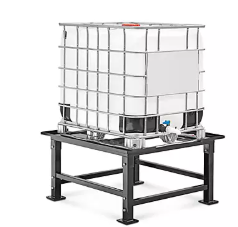
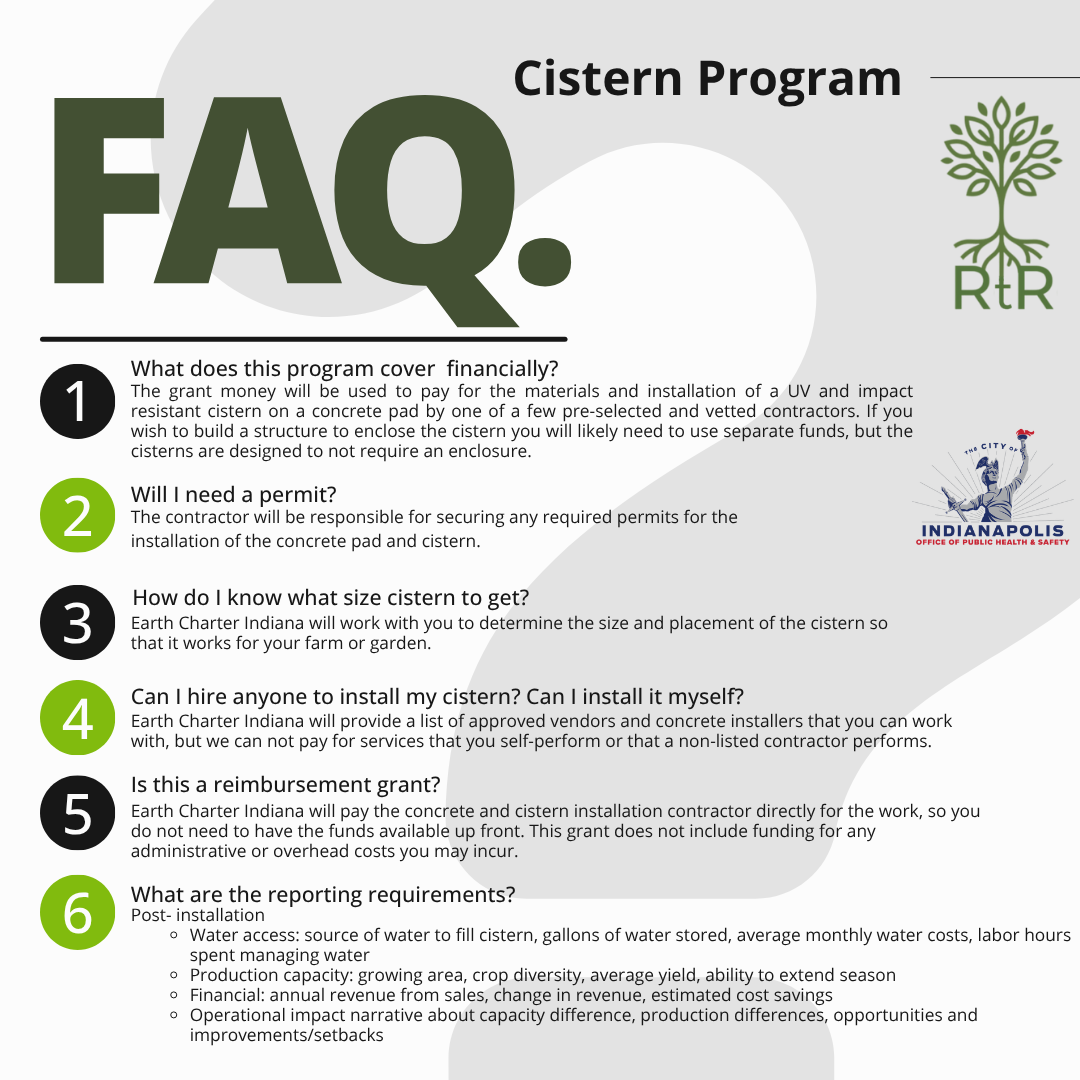
Applications details Round 3 Cistern CLOSED : Many small-scale farmers across Indianapolis and Marion County struggle to get sufficient water to their growing sites. Cistern installation offers a more affordable path to a reliable water supply — enabling more local growers to participate in the food ecosystem and improving fresh food access for residents across the city.
Round 2 and 3 of Community Catalyst Grants supported by funding from: